Introduction
Recent seismic activity has once again captured widespread attention as an earthquake now shakes regions previously considered low risk. This latest event has brought to light the persistent threat posed by earthquakes globally and the immediate need for awareness and preparedness. Understanding what happened, why it’s currently a focal point, and the potential impact can help readers grasp the significance of these natural events.
What Happened?
On [insert date], a significant earthquake registering a magnitude of [insert magnitude] struck near [insert location]. According to preliminary seismic reports, the earthquake originated at a shallow depth, intensifying its effects on nearby communities. The epicenter was pinpointed roughly [insert distance] from [nearest city or landmark], resulting in ground shaking that lasted several seconds.
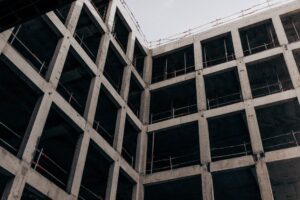
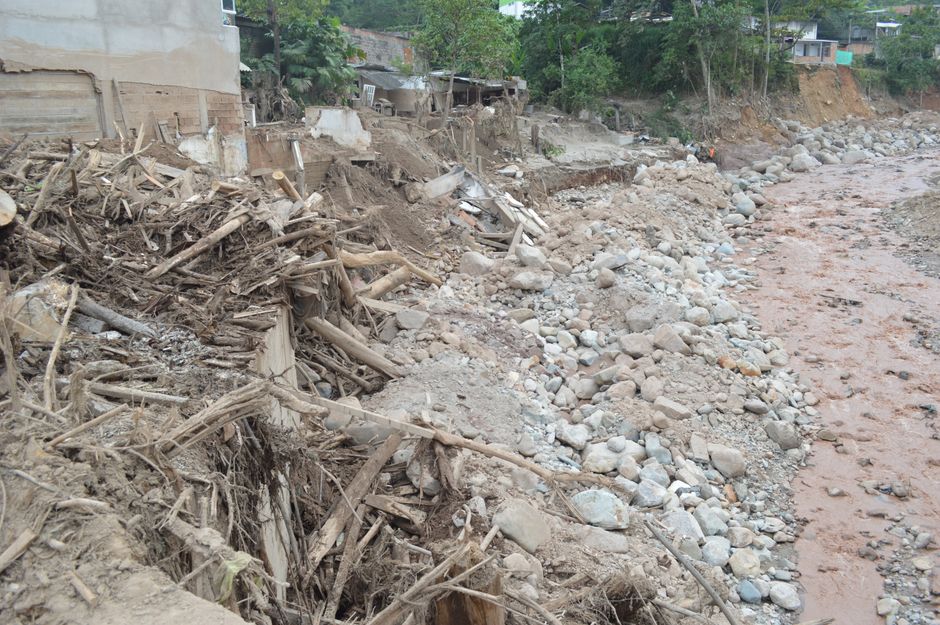
Emergency services quickly responded as buildings were reported to have experienced structural damage, and residents felt the tremors across multiple regions. Initial assessments revealed disruptions to infrastructure including power outages, traffic interruptions, and temporary closures of transportation routes. Local authorities issued precautionary advisories urging people to avoid damaged areas and stay alert for aftershocks.
The nature of seismic waves transmitted during this event showed characteristics consistent with a thrust fault movement, suggesting tectonic pressures along fault lines that have been closely monitored for years. Specialized teams from geological institutes promptly deployed to the site for detailed analysis, using seismic sensors and ground deformation technology to evaluate the intensity and scope of damage.
Following the initial quake, a series of smaller aftershocks ensued, corroborating that the earth’s crust in the vicinity remains unstable. These aftershocks, while less powerful, have compounded concerns about secondary hazards such as landslides and infrastructure weakening.
Why Is It Trending?
The current seismic event is trending due to several factors. First, the affected area includes densely populated locations where impacts to daily life, safety, and infrastructure are immediately felt by many. The suddenness of the quake and the visible aftermath have drawn extensive media coverage and public attention worldwide.
Moreover, this earthquake has occurred in a region not commonly associated with large seismic activity, prompting discussions among scientists and disaster management experts about previously underestimated risks. The unexpected nature of the event serves as a wake-up call for governments and communities to revisit and strengthen preparedness plans.
The widespread use of real-time seismic monitoring and rapid communication platforms means updates have been disseminated quickly, increasing public awareness. Visual content showcasing the quake’s effects, from cracked roads to toppled structures, has further amplified interest and urgency.
Background
Earthquakes are natural phenomena caused by the sudden release of energy in the Earth’s crust, leading to ground shaking. They typically result from movements along tectonic plate boundaries or faults. The region affected by this earthquake lies near [describe tectonic plates or fault systems relevant to location], an area that has experienced varying degrees of seismic activity historically.
While large earthquakes in this region may be infrequent compared to those along more active fault lines such as the Pacific Ring of Fire, the geological makeup and stress accumulations make seismic events possible. Historically, earthquakes here have ranged from mild tremors to moderate jolts, with occasional larger quakes impacting infrastructure.
In recent years, increased urban development and population density in these zones have heightened vulnerability to earthquake damage. Advances in construction codes and emergency response systems have improved resilience, but challenges remain, especially in rapidly expanding urban centers.
What Happens Next?
In the immediate aftermath, emergency response teams will focus on search and rescue operations, damage assessment, and restoring critical services. Authorities are likely to strengthen communication with communities to provide guidance on safety measures and aftershock preparedness.
Geologists and seismologists will continue monitoring seismic activity closely, analyzing data collected to understand the full extent of tectonic shifts involved. This information will inform predictions about future seismic risks and help refine early warning systems.
Longer term, the event may prompt governmental bodies and stakeholders to review disaster mitigation policies, infrastructure resilience, and public education efforts on earthquake readiness. Researchers might also use this data to update seismic hazard maps, influencing building codes and development planning.
Community engagement and emergency drills will be crucial in fostering a culture of preparedness, reducing potential harm during future earthquakes. Individuals are encouraged to stay informed about local risks, have emergency kits ready, and follow official instructions during seismic events.
Conclusion
The recent earthquake now serves as an important reminder of the unpredictable nature of seismic activity and the importance of preparedness. While the immediate focus is on managing the aftermath and ensuring safety, the broader implications underscore the need for continued vigilance and investment in resilience measures.
By understanding what happened, why it is a pressing topic, the background geology, and what steps lie ahead, individuals and communities can better navigate the challenges posed by such natural events. Staying informed and prepared remains the best defense against the impact of earthquakes.
Disclaimer: This article is for informational purposes only and is based on publicly available information at the time of writing. Developments may change as new information becomes available.