Introduction
Recently, an event involving a US refueling aircraft at Ben Gurion Airport has drawn considerable attention in technology and aviation circles. This incident highlights the complex interplay between military operations, civil aviation, and the increasing role of artificial intelligence (AI) in managing and securing such operations. Understanding what happened, why this moment is significant, and how AI factors into the equation sheds light on broader trends in aerospace technology and international cooperation.
What Happened?
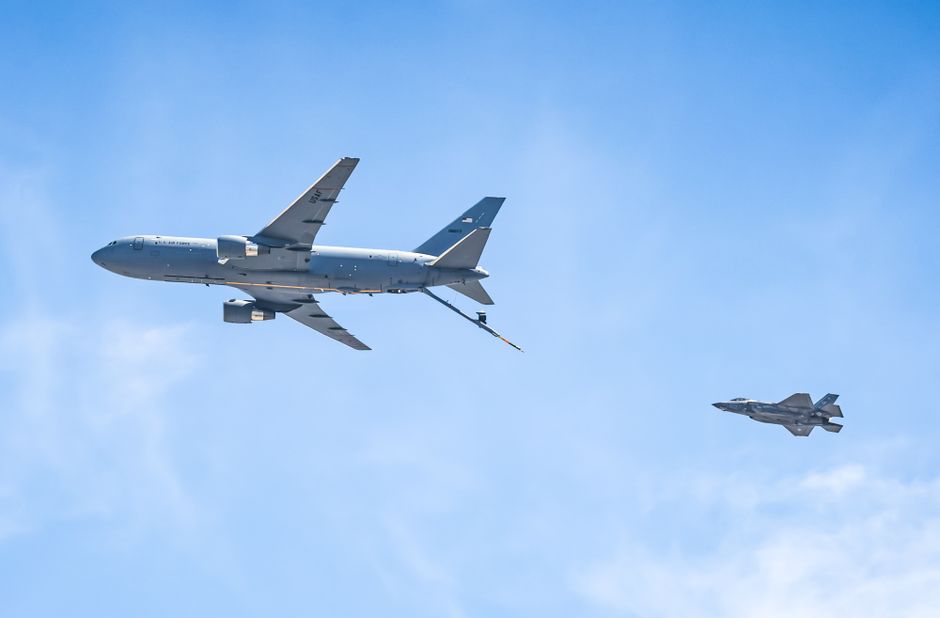
In a rare and highly coordinated operation, a United States refueling aircraft was stationed and refueled at Israel’s Ben Gurion Airport, one of the busiest and most secure international hubs in the Middle East. This type of operation, involving a military tanker aircraft landing at a civilian international airport, is notable due to the high level of planning and logistical execution it requires, especially given the geopolitical sensitivities surrounding the region.
Several key aspects marked this event:
- Military-Civilian Integration: The US refueling aircraft coordinated closely with Israeli air traffic control and ground support to use a primarily commercial airport for a strategic military purpose. This kind of operation is uncommon and demands seamless communication and coordination.
- Security Protocols: Ben Gurion is known for its advanced security infrastructure. The arrival and refueling of a military aircraft introduced unique challenges, including securing sensitive equipment and personnel in a civilian environment.
- Use of AI in Operational Management: Behind the scenes, AI-driven systems played a significant role in monitoring flight paths, detecting potential security threats, and managing air traffic effectively during the operation. These systems help ensure safety and efficiency, minimizing human error.
- Rapid Execution: Timing was crucial, with the refueling process and turnaround happening swiftly to meet broader operational objectives while maintaining the flow of commercial flights.
This operation was a demonstration of advanced technological and logistical capabilities, blending military precision with civilian airport constraints. AI’s involvement proved to be a force multiplier, enabling real-time decision-making and enhancing situational awareness for all parties involved.
Why Is It Trending?
The event has garnered attention due to its intersection of military operations, international diplomacy, and cutting-edge technology. Several factors contribute to its prominence:
- Strategic Significance: The Middle East remains a hotspot for geopolitical dynamics, and military operations involving superpowers tend to attract scrutiny.
- Technological Showcase: The integration of AI in managing airport security and flight operations during this event spotlights the evolving role of artificial intelligence in enhancing operational safety and efficiency.
- Operational Complexity: Using a major international civilian airport for military refueling under tight security conditions is unusual and highlights growing cooperation between allied nations.
- Public Interest in AI Applications: With AI technology becoming a pervasive force across industries, its direct application in this real-world aviation context has drawn interest from technology enthusiasts and experts alike.
Background
Ben Gurion Airport is Israel’s primary international gateway, known for its rigorous security measures and advanced technology deployments. It serves millions of passengers annually and operates within a high-threat regional context, necessitating constant vigilance and innovation in security and operational protocols.
The United States Air Force regularly conducts aerial refueling missions worldwide, which are essential for extending the range and operational capabilities of its aircraft. These missions often require refueling tankers to visit various bases and airports, occasionally including allied countries’ facilities, to support ongoing military operations or training exercises.
Artificial intelligence has increasingly become integral to aviation technology, from predictive maintenance and air traffic management to security screening and threat detection. AI enables faster data processing and decision-making, reducing human workload and improving response times to evolving situations on the ground and in the air.
What Happens Next?
The successful refueling operation at Ben Gurion Airport signals a potential increase in collaborative logistics between the US and its allies, using civilian infrastructure to support strategic military missions. This may pave the way for more such operations that rely heavily on advanced technologies like AI to ensure seamless integration.
On the technology front, the incorporation of AI into air traffic control and security procedures is expected to deepen. Future developments could include enhanced predictive analytics for managing airport capacity, improved automated threat detection systems, and more adaptive control mechanisms responding to real-time data flows.
Moreover, lessons learned from this operation will likely inform policies and protocols governing the balance between civilian and military aviation needs. Ensuring safety while maintaining operational readiness and respecting sovereign airspace rights will remain key priorities.
Conclusion
The recent US refueling aircraft operation at Ben Gurion Airport is a compelling example of modern aviation’s complexity, blending military imperatives with civilian infrastructure and advanced AI technology. This event underscores the evolving role of artificial intelligence in enhancing operational efficiency, security, and strategic cooperation between allied nations.
As AI continues to transform how aviation operates, we can expect such coordinated missions to become more efficient and sophisticated while retaining the highest standards of safety and security. This development not only reflects technological progress but also highlights the importance of international collaboration in addressing today’s dynamic security environment.
Disclaimer: This article is for informational purposes only and is based on publicly available information at the time of writing. Developments may change as new information becomes available.